 careermap
Earning around £4,000 a month in the UK translates to roughly £48,000 per year (before tax) according to salary conversion tools. This pay-rate places you in a higher wage band relative to many full-time positions. In this article, we’ll explore:
- What kinds of jobs typically pay around £4k/month in the UK
- The sectors and roles where this rate is realistic
- What qualifications, skills and experience you’ll need
- How to position yourself for one of these roles
- Geographic and market factors influencing this pay level
- Action steps and career planning to achieve the target
If your goal is to achieve a higher monthly-income job in the UK, this guide will equip you with practical insight and clear direction.
Understanding the £4,000 a Month Benchmark
What that means in UK salary terms
- £4,000 × 12 = £48,000 annual salary equivalent.
- Hourly equivalent: If you’re working a 40-hour week, it’s approx £23/hr.
- This is above average for many roles, but by no means the highest-earning band in the UK. The national average pay is lower.
Why this threshold is significant
- It represents a realistic target for many mid-senior level roles rather than entry level.
- It allows for comfortable living in many parts of the UK (though cost of living varies widely by region).
- From an SEO/monetisation view, content about “jobs paying £4,000 a month UK” can draw high-intent job-seekers—good for AdSense monetisation.
Roles & Sectors Where £4k/Month is Realistic
Below are some of the job categories where achieving around £4k/month in the UK is possible — along with what the roles involve, pay context, and how to get started.
1. Technology & Digital Specialist Roles
Why pay is higher: Skilled roles remain in high demand in tech.
Examples: Software developer, data analyst, systems engineer, DevOps engineer.
What’s required: Coding/engineering credentials, portfolio, relevant experience.
How the pay fits: Many tech job boards show salaries that translate to £48k+ per year for mid-level roles.
Getting started:
- Gain technical skills (bootcamps, self-study)
- Build a portfolio of work (GitHub, sample projects)
- Target employers in higher pay regions (London/South East or remote UK)
- Negotiate salary with confidence: know your worth.
2. Finance, Accounting & Professional Services
Roles in finance and professional services often cross the £48k/year (≈ £4k/month) threshold.
What the role involves: Management accountant, audit senior, financial controller, business analyst.
How to qualify: Degree (often in finance/accounting), professional qualification (e.g., ACCA, CIMA), several years’ experience.
Why the pay is good: These roles carry responsibility, regulatory requirement, and deliver value to organisations.
Tip: Highlight impact (cost saving, audit outcomes, revenue improvement) in your CV.
3. Healthcare, Allied Health & Specialist Roles
Certain healthcare professionals earn in this band, especially beyond entry level or in specialist/private roles.
What the role involves: Specialist nurse, physiotherapist senior, radiographer, allied health professional, small-clinic consultant role.
How to qualify: Professional registration (NMC, HCPC), specialism, experience, sometimes private sector or overtime component.
Why pay can reach this level: Demand, specialisation shortage, premium locations/sectors.
4. Skilled Trade, Engineering & Technical Management
Skilled trades and engineering roles, especially in high demand or high cost regions, can hit £4k/month.
What the role involves: Chartered engineer, project engineer, senior technician, construction site manager, renewable energy technician.
How to qualify: Apprenticeship or degree (engineering/trade), certifications (chartered status), experience managing projects/team.
Why the pay is good: High responsibility, specialist technical skill, often unsocial hours or travel may be required.
5. Sales, Business Development & Commission-Heavy Roles
Sales roles with base salary plus commission often deliver £4k/month in total compensation for high performers.
What the role involves: B2B sales executive, account manager, business development manager in IT/solutions, recruitment consultant.
How to qualify: Strong sales track record, target achievement, strong communication, ability to close deals.
Why pay can reach this level: Commission/bonus structure allows for higher upside; employer budgets reflect revenue generation.
6. Mid-Senior Management & Operational Roles
Mid-senior level management positions frequently offer £48k+ annual packages.
What the role involves: Operations manager, regional manager, department head, business unit manager.
How to qualify: Experience leading teams, delivering performance, budget accountability, strategic thinking.
Tip: Emphasise leadership metrics, team size, budget size, outcomes you achieved.
How to Position Yourself for a £4,000/Month Job
Step 1: Choose the right sector
Select the sector and role category above that aligns with your interests, skills and lifestyle. Ask yourself: Which roles genuinely pay around £4k/month in my region?
Step 2: Assess your current skills and gaps
- What qualifications do I already have?
- What experience do I have?
- What job adverts for roles in my target pay band require?
- What’s missing (skills, experience, certifications)?
Step 3: Build credentials and experience
- If tech: do a boot-camp, self-study, build projects
- If trade/engineering: complete an apprenticeship or get skilled certifications and high-responsibility experience
- If healthcare: build specialism, consider private sector or overtime work
- If sales: build track record, quantify deals, build network
Step 4: Craft your CV/LinkedIn to reflect your target role
- Use pay-band language: e.g., “delivered outcomes aligned with £50k+ role”
- Highlight achievements not just duties (e.g., delivered £1m savings)
- If in sales: include revenue closed
- If in engineering: highlight project size, budget, team size
Step 5: Target higher pay regions or remote roles
- Pay tends to be higher in London/South East, or for remote roles with UK companies that pay premium
- Explore contract/freelance roles which may pay higher monthly rate
- Use job boards with salary filters (e.g., “£4,000/month”).
Step 6: Negotiate salary/compensation
- Understand your market value using salary benchmarking tools
- Consider total compensation (bonuses, benefits) not just base salary
- Highlight your unique value proposition (specialist skills, results, leadership)
- Be prepared to discuss pay band £48k+ or monthly rate £4k with confidence
Regional Variation & Other Considerations
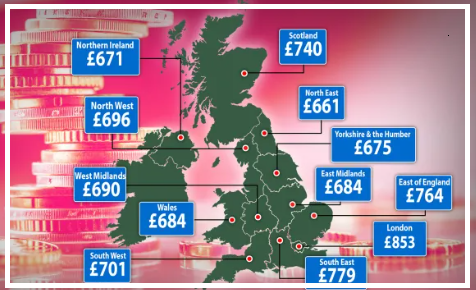
- The pay you can expect varies significantly by region in the UK. For example, average wage in London is higher than in many northern regions.
- Some job listings advertising “£4,000 a month” may include bonuses or variable pay components, or may refer to contract/freelance roles. Always examine the full compensation package.
- Cost of living: Earning £4k/month in London may feel different than in lower-cost regions due to housing, transport, and living costs.
- Some roles may require overtime, shift work, contract status or travel — ensure you understand the job demands and stability.
Frequently Asked Questions
Q: Do I need a degree to achieve £4,000/month?
A: Not always. While many roles in this pay band require a degree or specialist credential, there are trade and sales routes where experience, track record or contracting can lead to £4k/month. For example, a Reddit thread mentions:
“Software developer, definitely… A good senior should crack £6k/month before tax in a low pressure environment.”
Q: What’s the annual equivalent of £4k/month?
A: £4,000/month equals approximately £48,000 per year (12 × £4,000).
Q: Which sectors give the fastest path to £4k/month?
A: Tech (software/data), sales with commission, engineering/trades in high-demand regions, and mid-senior management roles are promising sectors.
Q: How can I move from a lower monthly income to £4k/month?
A: Map your skills to target roles, invest in training/credentials, build a record of achievements, negotiate your salary, consider relocation or remote work for higher pay, and target roles with clearer upward paths.
Conclusion
If you are aiming to earn around £4,000 a month in the UK (≈ £48,000 a year), you are looking at roles that are above average, requiring the right sector choice, skills, experience, and often a location advantage.
The key to accessing these roles is matching your ambition with proper preparation: identifying the right sector, building skills and experience, positioning your profile, targeting roles strategically, and negotiating effectively.
By taking a structured approach—auditing where you are now, identifying your gap, building credentials and applying smartly—you can move into roles paying £4k/month and position yourself for further growth.


 careermap