 careermap
Earning around £3,000 a month in the UK (which translates to roughly £36,000 a year) is a realistic target for many full-time roles. According to a salary-hour conversion, earning £3,000 per month equates to about £17.32 per hour for a standard 40-hour week.
In this article we’ll explore:
- What kinds of jobs typically pay around or above £3k/month
- The qualifications, skills and experience required
- How geographic region (UK) and sector affect pay
- Practical steps to aim for one of those roles
- How to approach your job search and salary negotiation
Whether you’re a graduate, career-changer or worker wanting better pay, this guide will give you clear insight and actionable steps.
Understanding the £3,000/Month Reference
What it means in UK terms
- £3,000 a month equals approximately £36,000 per year (before tax) for 12 months of pay.
- That equates to roughly £17.30 per hour assuming a 40-hour week and 52 weeks.
- Note: Some roles may exceed this and some may include bonus/commission making the monthly figure variable.
Why this threshold matters
- The UK median full-time salary is around £39,000 (as of 2025).
- A role paying £3k/month is thus near or above average, so desirable for many looking for financial stability or career progression.
- It serves as a realistic target that many employers advertise and job-seekers aim for.
Jobs That Commonly Pay £3,000+ a Month
Here are job categories and examples of roles in the UK that can pay around or above £3,000/month. For each we include typical pay levels, what the role involves and how to qualify.
1. Technology Roles (Software, Data, Engineering)
Technology jobs remain among the highest paying non-executive roles.
- For example, in a list of UK high-paid jobs the average salary for a Java Developer is ~£55,381/year with higher levels reaching much more.
- A role earning £36k+ per year is thus entirely plausible in tech, even at mid-level.
What the role involves: Software development, data analytics, engineering roles, system architecture, full-stack or specialised technologies.
How to qualify: Degree or equivalent in computing/engineering, bootcamps or self-taught coding, portfolio of projects, relevant work experience.
Why the pay is good: High demand for tech skills, digital transformation across sectors, remote/hybrid opportunities that sometimes increase pay.
2. Finance, Accounting and Professional Services
Roles in finance often cross the £3k/month threshold.
- A Reddit discussion by a UK user noted:
“Accounting. Start as a cashroom clerk … then follow with ACCA or CIMA … nearer 4k a month than 3k.”
What the role involves: Financial accountant, management accountant, tax specialist, audit senior, business development in professional services.
How to qualify: Accounting certifications (ACCA, CIMA), relevant experience, strong Excel/financial modelling skills, often a degree.
Why the pay is good: The complexity of work, regulatory demands, and value of advising businesses lead to higher salary.
3. Healthcare and Specialist Roles
Certain healthcare professionals in the UK earn monthly incomes around or above £3k, especially factoring in overtime, specialist roles or private sector premiums.
What the role involves: Specialist nursing, physiotherapist, physician associate, healthcare management, some surgical support roles.
How to qualify: Relevant healthcare qualification, registration (e.g., with NMC), experience, often additional specialism or management responsibilities.
Why the pay is good: Shortages in the NHS/private sector, high value placed on specialist skills, shift premium or overtime pay.
4. Skilled Trade, Engineering & Technical Management
Skilled trades and engineering roles, particularly in high-cost regions (London, South East) or in sectors such as renewable energy/retrofit can offer pay around £3k/month.
What the role involves: Electrical engineer, mechanical engineer, construction site manager, project engineer, renewable technician.
How to qualify: Degree or HND in engineering, strong technical stack, maybe apprenticeship route, professional accreditation (e.g., Chartered Engineer).
Why the pay is good: Demand for infrastructure work, specialist technical skills, project responsibility, sometimes unsocial hours or travel add ins.
5. Sales and Business Development Roles With Commission
Sales roles with a base salary plus commission/bonus often result in £3k+ monthly incomes for high performers.
What the role involves: B2B sales executive, account manager, business development manager, IT/digital solutions sales.
How to qualify: Strong sales track record, ability to meet quotas, communication skills, understanding of products/markets.
Why the pay is good: Commission structure means high performers can push beyond base pay; roles in high ticket sectors pay more.
6. Management and Senior Operational Roles
Mid-senior management roles often cross the £3k/month threshold. For example, operations manager, project manager, branch manager.
What the role involves: Leading teams, overseeing operations, strategic planning, budget responsibility.
How to qualify: Experience, previous management track record, relevant industry knowledge, often a degree or higher-level qualification.
How to Position Yourself for a £3,000+ Monthly Job
Step 1: Choose the right sector
Refer to the roles above and ask: Which sector aligns with my skills, interest and regional demand? Tech and finance often pay higher; trades may require different pathways but good pay.
Step 2: Assess your current skills and gaps
Do a self-audit:
- What qualifications do I have?
- What experience?
- What skills are in demand in my target role?
Search job adverts for the role you want and note required skills/qualifications.
Step 3: Build credentials and experience
- Consider additional training: coding bootcamps, certifications (finance, engineering), leadership courses.
- Build a portfolio (for tech), case studies (for business/finance), manage small projects (for management roles).
- For trades: look into apprenticeships or upskilling in specialist areas (e.g., renewable technologies).
Step 4: Craft your CV/LinkedIn to reflect your target role
- Use keywords from job adverts.
- Highlight results: quotas met, technical projects delivered, cost savings achieved.
- For roles with commission: show revenue generated, deals closed.
Step 5: Job search strategically & negotiate salary
- Target geographical areas with higher pay (London, South East) if relocation/commute feasible.
- Use salary benchmarking sites to know your worth.
- During offers, discuss base + bonus/commission breakdown so you can see total compensation aligned to £3k/month target.
Step 6: Plan for upward growth
Even if you start slightly below target, identify a path: advancement, certification, specialism which pushes you into roles that deliver or exceed £3k/month.
Regional Variation & Other Considerations
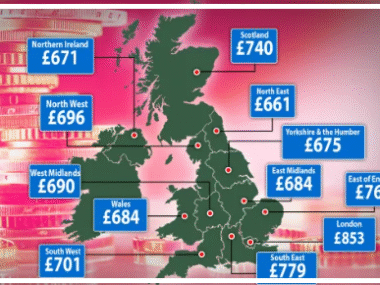
- Pay will vary by location in the UK: London and South East tend to pay more due to higher cost of living and competition.
- Some job listings advertise a monthly figure or “up to” figure; verify whether £3k/month is base pay or includes bonus/commission.
- Beware of roles that advertise “£3k/month” but require overtime, weekend work or are contract roles with less job security.
- Always check the full package: base salary, benefits, bonus, contract type, working hours.
FAQs
Q: Do I need a degree to achieve £3,000/month?
A: Not always. Some roles (especially in trades or sales) don’t strictly require a degree but do require strong skills, experience and results. For example, a Reddit user shared: “Start as a cashroom clerk … then follow with ACCA or CIMA … nearer 4k a month than 3k.”
Q: Does £3,000/month equal £36,000/year?
A: Yes, approximately (12×3,000 = £36,000). Hourly conversion puts it at ~£17.32/hour for a full-time job.
Q: Is this figure realistic for all UK regions?
A: It’s more realistic in higher-paying regions and sectors. In lower-cost regions some roles may pay less; cost of living and regional demand matter.
Q: Should I prioritise base salary or total compensation?
A: Total compensation (base + bonus/commission + benefits) matters. A job might advertise £3k/month but base pay may be lower and much of it comes from performance bonuses.
Q: How can I negotiate towards £3k/month?
A: Demonstrate measurable results, show contribution to company profits, bring unique skills, research market pay levels and ask for a salary consistent with those benchmarks.
Conclusion
A monthly income of around £3,000 in the UK is an achievable target in a number of sectors: technology, finance, healthcare, skilled trades, sales and management. The key to accessing these roles is matching the right qualifications, skills and experience to the demand in your region and sector.
By auditing your current skills, bridging gaps through training, targeting the right roles and optimising your job search and negotiation strategy, you can position yourself for a job that meets or exceeds this salary level.
Begin by identifying your sector, building your credentials, enhancing your CV and applying strategically. With persistence and planning, you could move into a role paying £3k/month — and setting the stage for even higher income in the future.


 careermap